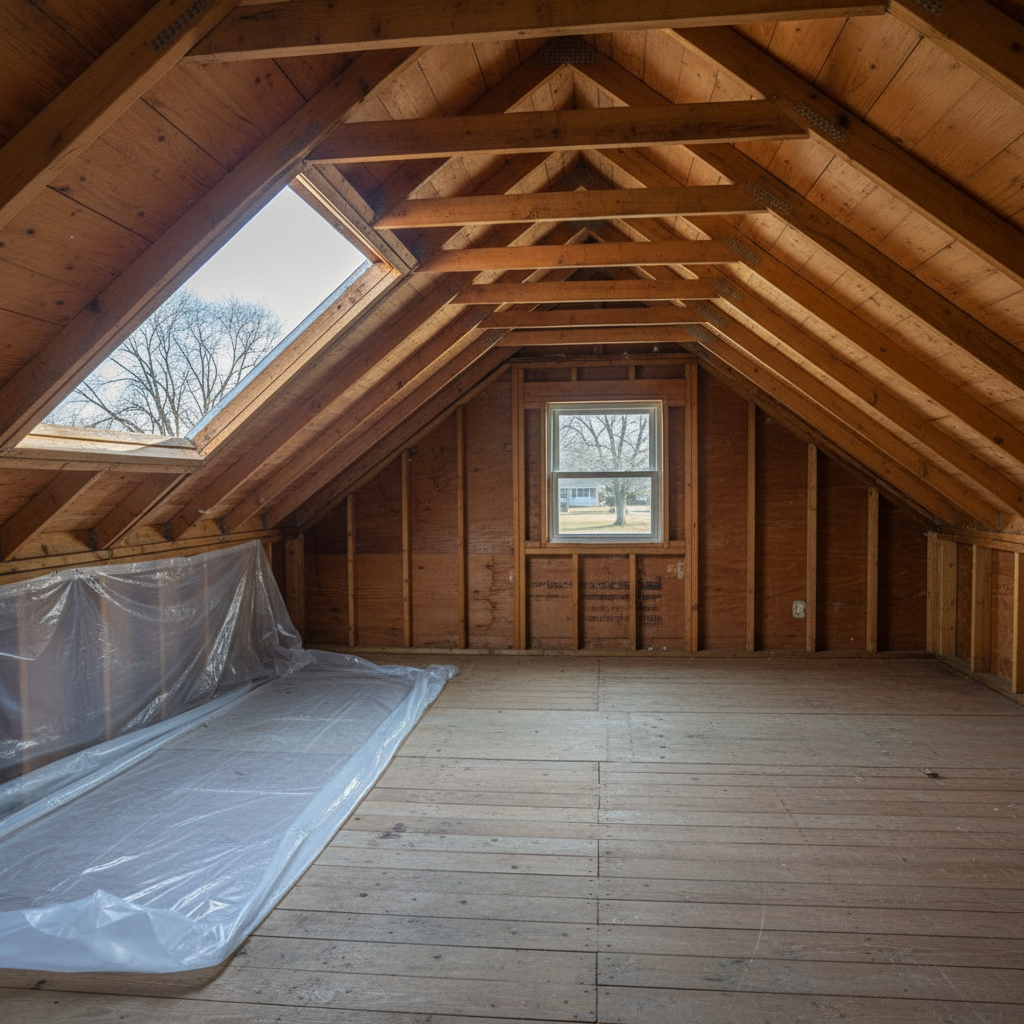
So, you've finally decided to ditch that old, dusty — maybe even rodent-infested — insulation. Good for you! It's not a fun job, and it's definitely not one to cut corners on. But what's it actually going to cost you right here in Arlington Heights?
I get asked this question all the time, and honestly, there's no simple "X dollars per square foot" answer. A bunch of things can push the price up or down, you know? Let's take a closer look.
What Makes Insulation Removal Cost What It Does?
When I'm putting together a quote for insulation removal, I'm really looking at a few key factors:
- The Type of Insulation: This is a big one. Getting rid of blown-in cellulose or fiberglass is usually the easiest and cheapest. It's mostly a big vacuum job. Batts are a bit more work because they're often stapled or friction-fit, meaning we have to bag them up by hand. Spray foam? That's a whole different animal. It's super dense, sticks to everything, and often needs cutting or scraping, which takes way more time and specialized tools. If you've got old vermiculite, watch out – that's a hazardous material. It needs specific safety steps and certifications, which really drives the cost up.
- The Amount of Insulation: This just makes sense, right? More insulation means more time, more bags, and higher disposal fees. We're thinking in cubic feet here, not just square footage.
- Accessibility: Is your attic a wide-open space with a full-size access door, or is it a cramped crawl space with a tiny scuttle hole, maybe tucked away above a closet? The harder it is to reach the insulation, the longer the job takes, and the more careful we have to be not to damage anything. Low-pitched roofs, especially common in some of the older ranch homes around Arlington Heights, can be a real headache.
- Contamination: This is probably the biggest wild card. If we're dealing with rodent droppings, mold, or water damage, that adds a whole layer of complexity. We're not just pulling out insulation; we're also cleaning and sanitizing the area. Sometimes, we even need to fog the space to get rid of odors and kill bacteria. This requires special protective gear and specific cleaning agents, naturally.
- Disposal Fees: Landfills charge either by weight or volume. Old insulation, especially if it's wet or contaminated, can get pretty heavy. These fees are definitely part of the total cost.
Typical Cost Ranges in Arlington Heights
Alright, let's talk some numbers. Keep in mind these are just averages, and your specific situation could be higher or lower. This is what we typically see at Allied Insulation for residential jobs.
- Blown-in Fiberglass or Cellulose (uncontaminated): For a standard 1,000-1,500 sq ft attic, you're usually looking at anywhere from $1.50 to $3.00 per square foot of attic floor. So, for a 1,200 sq ft attic, that's roughly $1,800 to $3,600. This is the most common kind of job we do.
- Batt Insulation (uncontaminated): This often falls in a similar range, maybe a little higher because of all the manual bagging. Expect $2.00 to $4.00 per square foot.
- Contaminated Insulation (rodents, mold, water damage): This is where things get pricier. If we're talking about serious contamination, you could be looking at $4.00 to $8.00+ per square foot. This covers removal, thorough cleaning, sanitizing, and sometimes even fogging. A job like this for a 1,200 sq ft attic could easily run $4,800 to $9,600 or more, depending on how bad it is.
- Spray Foam Removal: This is the most expensive. It's often priced by the job, but if I had to give a per-square-foot estimate, it could be $8.00 to $15.00+ per square foot due to the intense labor and specialized equipment. We don't do a ton of these, thankfully, but when we do, it's a big undertaking.
- Vermiculite Removal: If your home was built before the 1990s, especially in some of the older neighborhoods near downtown Arlington Heights, you might have vermiculite. This stuff contains asbestos and needs a specialized abatement company. My company doesn't handle this, but expect costs to be significantly higher, often starting at $10,000 and going way up depending on the amount and location.
What Should Your Quote Include?
When you get a quote, make sure it covers everything. It should clearly spell out:
- Labor Costs: How many crew members, how many hours.
- Equipment Rental/Usage: The big vacuums, hoses, safety gear, all that.
- Disposal Fees: The cost to haul the old insulation to the dump.
- Cleanup: What they'll do to leave your home tidy. This should include covering floors, sealing off the work area, and vacuuming up any stray debris.
- Contamination Remediation (if applicable): If there are mold or rodent issues, the quote should detail the cleaning agents, sanitizers, and methods they'll use.
- Insurance and Licensing: Make sure they're properly insured and licensed. You really don't want someone working in your attic without the right coverage.
How to Avoid Overpaying
Nobody wants to get ripped off, right? Here's my best advice:
- Get Multiple Quotes: Don't just go with the first company you call. Get at least two or three detailed quotes.
- Ask for an On-Site Inspection: Any reputable company won't give you a firm quote over the phone. They need to see the attic, check the insulation type, look for contamination, and gauge how easy it is to get in there.
- Understand What's Included: As I just mentioned, make sure the quote is clear about everything. If it's vague, ask questions — lots of them.
- Don't Automatically Go for the Cheapest: This is a dirty job, and you want it done right. The cheapest bid might cut corners on safety, cleanup, or proper disposal. You definitely don't want old insulation dust or rodent droppings circulating in your home.
- Check References and Reviews: See what other Arlington Heights homeowners have to say about the company.
Insulation removal is an investment in your home's health and efficiency. It's not glamorous, no, but it's often a necessary first step before putting in new, better insulation. Do your homework, ask the right questions, and you'll get a fair price for a job well done.