Is your home always cold in the winter, even when you crank up the heat? Or maybe your floors feel like ice? A lot of folks in Arlington Heights don't even think about what's going on underneath their house, but your crawl space plays a huge role in how comfortable your home is and how much energy it uses. Ignoring it? That's like leaving a window open all winter, honestly.
I've seen countless homes around here, especially those older ones in the Scarsdale or Greenbrier neighborhoods built without much thought to modern insulation standards. They're just bleeding heat (or AC) right through their uninsulated or poorly insulated crawl spaces. So, let's talk about what you need to know before, during, and after tackling this kind of project.
Before You Start: Planning & Prep
First things first, you've got to get down there and take a look. Grab a flashlight, put on some old clothes, and maybe a respirator if it looks dusty or moldy. What exactly are you looking for?
- Moisture: Is it damp? Do you see standing water? Any signs of mold or mildew? You absolutely cannot insulate over moisture problems. You'll just trap it, which leads to bigger issues like rot and poor indoor air quality. You need to fix any leaks, improve drainage, and maybe even consider a vapor barrier or dehumidifier first.
- Pests: Critters just love crawl spaces. Check for signs of rodents, insects, or even larger animals. You definitely don't want to seal them in with your new insulation. Get rid of them and seal up any entry points before you do anything else.
- Existing Insulation: Is there old insulation falling down? Is it wet, moldy, or chewed up? If so, it's gotta go. Removing old, damaged insulation is a dirty job, and honestly, it's often best left to pros like us at Allied Insulation. We've got the gear to do it safely and effectively.
- Access: Can you actually move around down there? Some crawl spaces are super tight. If you're a bigger person or have mobility issues, this might be a project where calling in help makes a lot of sense.
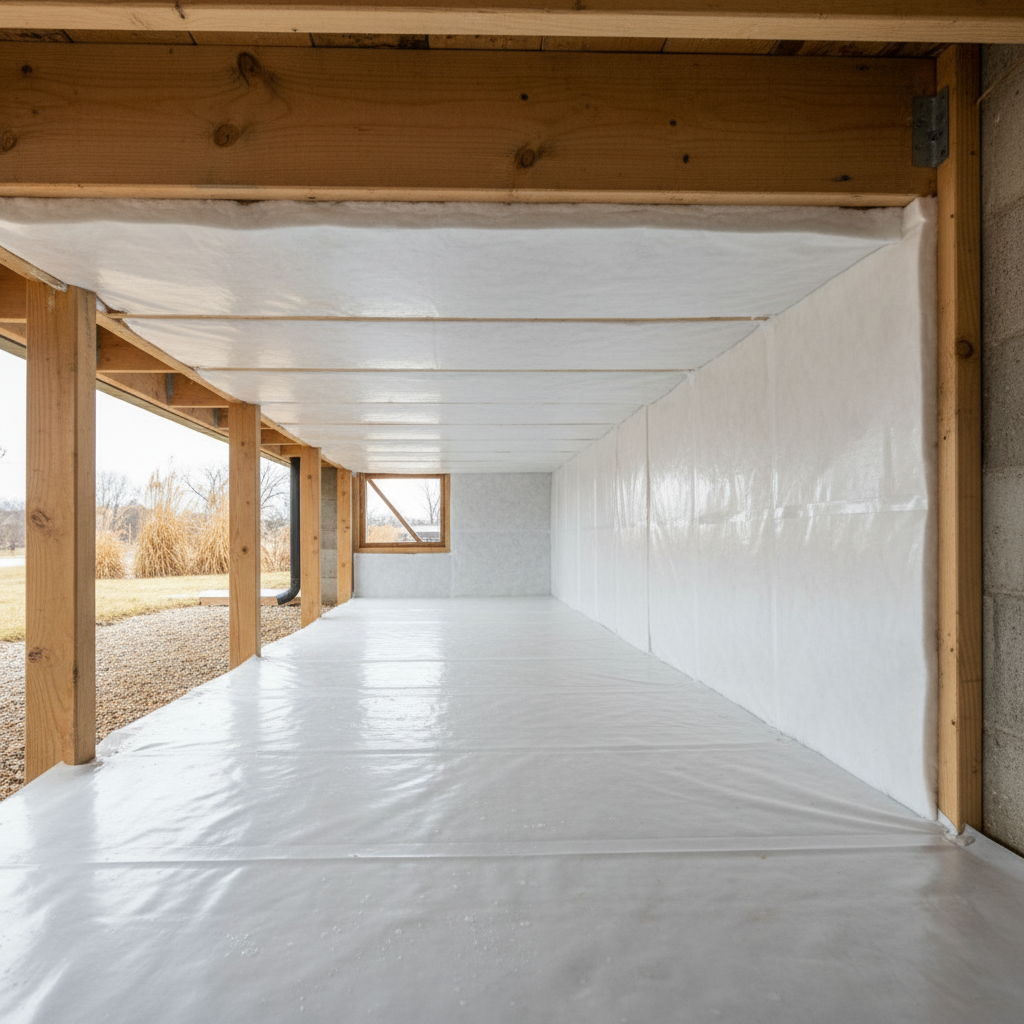
- Vapor Barrier: Do you have a good quality vapor barrier (a thick plastic sheet) covering the ground? If not, you'll want to lay one down. This is crucial for keeping ground moisture out of your crawl space and, by extension, out of your home. It's a DIY-friendly step, just make sure it's thick (at least 6-mil) and covers 100% of the ground, overlapping seams by at least 6-12 inches and taping them. Run it up the foundation walls a few inches, too.
During the Project: DIY vs. Pro
Alright, you've prepped the space. Now, how do you insulate? There are generally two main approaches for crawl spaces: insulating the subfloor or insulating the crawl space walls.
Insulating the Subfloor (DIY-Friendly, but limited)
This is what most people think of when they hear "crawl space insulation." You're basically putting insulation between the floor joists directly under your living space. This is usually done with fiberglass batts. It's a job many handy homeowners can tackle themselves.
- What to use: Unfaced or kraft-faced fiberglass batts. If using faced, make sure the paper faces the heated living space (upwards).
- How to install: Cut the batts to fit snugly between the joists. You'll need to secure them so they don't fall out. Wire hangers (insulation support wires) are cheap and effective. Just push them between the joists. Don't compress the insulation; it needs its full loft to work properly.
- When it's good: If your crawl space is vented to the outside and you've got a good vapor barrier, this can help keep your floors warmer.
- The downside: This method still leaves your crawl space cold. Your pipes can still freeze, and your ducts (if they're down there) will lose heat. It's just not as effective as insulating the walls for overall crawl space conditioning.
Insulating the Crawl Space Walls (Often Best for Pros)
This is generally the better approach, especially if you want to create a semi-conditioned or conditioned crawl space. You're essentially bringing the crawl space into your home's thermal envelope. This means warmer floors, protected pipes, and more efficient ductwork.
- What to use: Rigid foam boards (like XPS or polyiso) or spray foam.
- Rigid Foam: You cut and fit these boards to the interior of your foundation walls. You'll need to seal all seams with tape or caulk to prevent air leaks. This can be a DIY project, but getting a perfect, airtight seal in a tight, uneven crawl space is harder than it looks.
- Spray Foam: This is where you really want to call in the pros. Spray foam (closed-cell is often preferred for its moisture resistance and R-value) provides an incredible air seal and insulation layer. It adheres directly to the walls, fills all gaps, and creates a seamless barrier. It's messy, requires specialized equipment, and proper safety gear. Don't try this yourself unless you're a trained professional.
- The benefit: By insulating the walls and sealing any vents to the outside, you're making your crawl space part of your home's conditioned space. This means the temperature down there will be much closer to your indoor temperature, leading to significant energy savings and comfort improvements.
For most homeowners in Arlington Heights, especially if you're dealing with a cold, damp crawl space that's vented to the outside, insulating the walls with spray foam or rigid boards and sealing it up is definitely the way to go. If you're not comfortable with the tight spaces, the cutting, or the potential for a big mess, that's when you give Allied Insulation a call. We do this stuff every day, after all.
After the Project: Enjoy the Benefits
Once your crawl space is properly insulated, you'll notice a difference pretty quickly.
- Warmer Floors: No more freezing cold feet in the winter.
- Lower Energy Bills: Your furnace or AC won't have to work as hard to maintain comfortable temperatures.
- Improved Comfort: Fewer drafts and more consistent temperatures throughout your home.
- Protected Pipes: Less risk of frozen pipes in our brutal Illinois winters.
- Better Air Quality: If you've sealed off moisture and pests, you're preventing those issues from impacting your indoor air.
Keep an eye on your crawl space periodically, even after it's insulated. Just do a quick check every few months, especially after heavy rains or extreme weather. Make sure your vapor barrier is still intact, no new leaks have sprung up, and no critters have found a new way in. A well-insulated crawl space is a happy crawl space, and a happy crawl space means a happier, more comfortable home for you and your family.