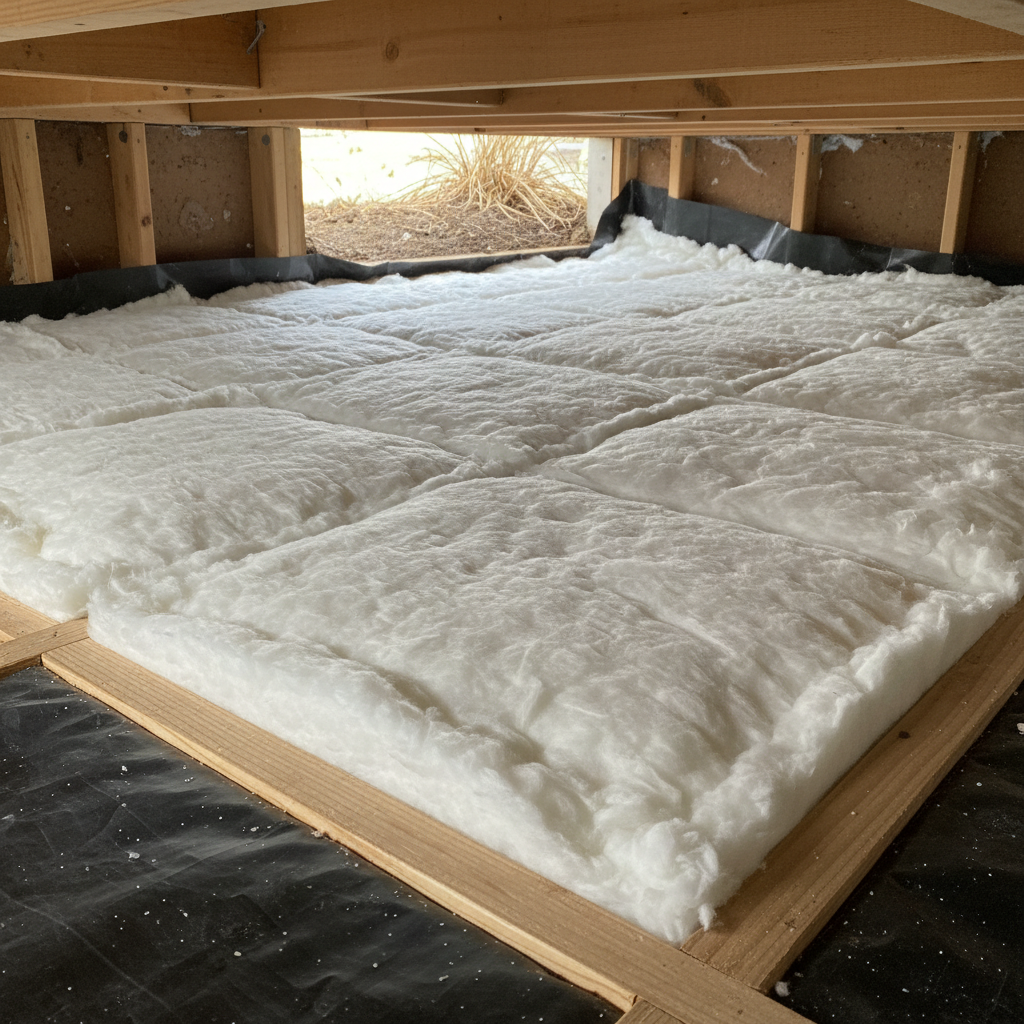
Your crawl space. You probably don't think about it much, do you? But honestly, what's happening down there makes a huge difference to your whole house, especially here in Arlington Heights with our crazy temperature swings. Insulating your crawl space isn't just about feeling cozy; it's about saving cash on your energy bills and keeping moisture out of your home. So, let's chat about what you really need to know.
Before You Even Think About Insulation
First things first: you can't just slap insulation over problems. You've got to tackle the basics first. This is where you, the homeowner, can handle a lot of the initial work.
- Clear it Out: Get rid of any junk — old wood scraps, random debris, anything that doesn't belong. This makes the space easier to work in and cuts down on fire risks.
- Moisture Control is HUGE: This is probably the most important step, no kidding. If you've got standing water or dampness, insulation won't fix it; it'll just trap that moisture. You need to find and repair any leaks – whether they're from plumbing, foundation cracks, or even bad drainage around your house outside. Make sure your gutters are clean and downspouts direct water far away from the foundation. For persistent ground moisture, you'll probably need a vapor barrier. We're talking about heavy-duty plastic sheeting (6-mil or thicker) that covers the whole ground, with overlapping seams, and extends up piers and foundation walls. Many homeowners can handle this DIY, though it's definitely not a fun job.
- Seal Air Leaks: Look for gaps and cracks in the foundation walls, around pipes, and where the subfloor meets the foundation. Use the right caulk or expanding foam to seal these up. This stops cold air (or hot, depending on the season) from whistling right in.
- Ventilation Check: Older crawl spaces usually have vents. The old idea was that these vents helped dry out the crawl space. But in a humid climate like ours, especially during summer, they often just let in more moisture. If you're going to insulate and seal your crawl space properly, you might need to think about closing off those vents for good. This is a bigger decision, and sometimes you have to balance it with other moisture control strategies.
During the Insulation Project: DIY or Call a Pro?
Okay, once your crawl space is clean, dry, and sealed up, it's time for the insulation itself. This is where the line between doing it yourself and hiring a professional gets a bit clearer.
What You Can Probably DIY (with some effort)
If you're insulating the subfloor (that's the floor right above the crawl space), you might consider installing fiberglass batts with a facing. You'd typically use wire hangers or netting to hold them snugly against the underside of the floor joists. It's a physically tough job, often meaning you're working on your back in tight spots. You'll definitely need good PPE: a respirator, gloves, long sleeves, and eye protection. Cutting batts to fit just right between joists is crucial for preventing air gaps. Just remember, if these get wet, they lose all their effectiveness and can grow mold, so that moisture control step is absolutely non-negotiable.
Another DIY option, especially if you're insulating the foundation walls, is rigid foam board. You cut it to fit and then secure it to the foundation walls. You'll need to seal the seams with tape and use a compatible adhesive. This can work well, but again, it's all about precision and sealing everything up tight.
When to Call Allied Insulation (or another pro)
Here's the honest truth: for most crawl space insulation, especially if you want it done right and effectively, you're better off calling a professional. Why?
- Spray Foam: If you're thinking about spray foam insulation for your crawl space walls or rim joists, that's definitely a job for the pros. It needs specialized equipment, training, and safety gear. Spray foam creates an incredible air seal and R-value, but it's not something you can just pick up at the hardware store and DIY. We use it a lot in Arlington Heights homes, especially in older places around the Scarsdale or Greenbrier neighborhoods where foundations can be pretty drafty.
- Encapsulation: If your crawl space needs full encapsulation – that means a heavy-duty vapor barrier on the ground, sealed walls, and often a dehumidifier – a professional company like Allied Insulation has the expertise to design and install a system that truly works. We understand the ins and outs of air sealing, vapor barriers, and proper ventilation (or sometimes, the lack thereof) for a healthy crawl space environment.
- Tight Spaces & Difficult Access: Crawl spaces are often cramped, dirty, and just plain unpleasant. Pros have the right tools, experience, and safety protocols to work efficiently in these conditions. If your crawl space is particularly low or hard to move around in, save your back and just give us a call.
- Identifying Hidden Issues: Sometimes, what looks like a simple insulation job can actually uncover bigger problems like pest infestations, mold, or structural damage. A professional will be able to spot these and tell you what to do next, instead of just covering them up.
After the Project is Done
Once the insulation is in, whether you did it yourself or hired us, you'll want to keep an eye on things. Check your crawl space every so often for any signs of moisture, pests, or insulation that might have shifted. You should definitely notice a difference in your home's comfort – warmer floors in winter, cooler in summer – and hopefully, a nice dip in those energy bills. A well-insulated and sealed crawl space is a huge asset to your home, protecting it from moisture damage, pests, and energy loss. It's an investment that really pays off.