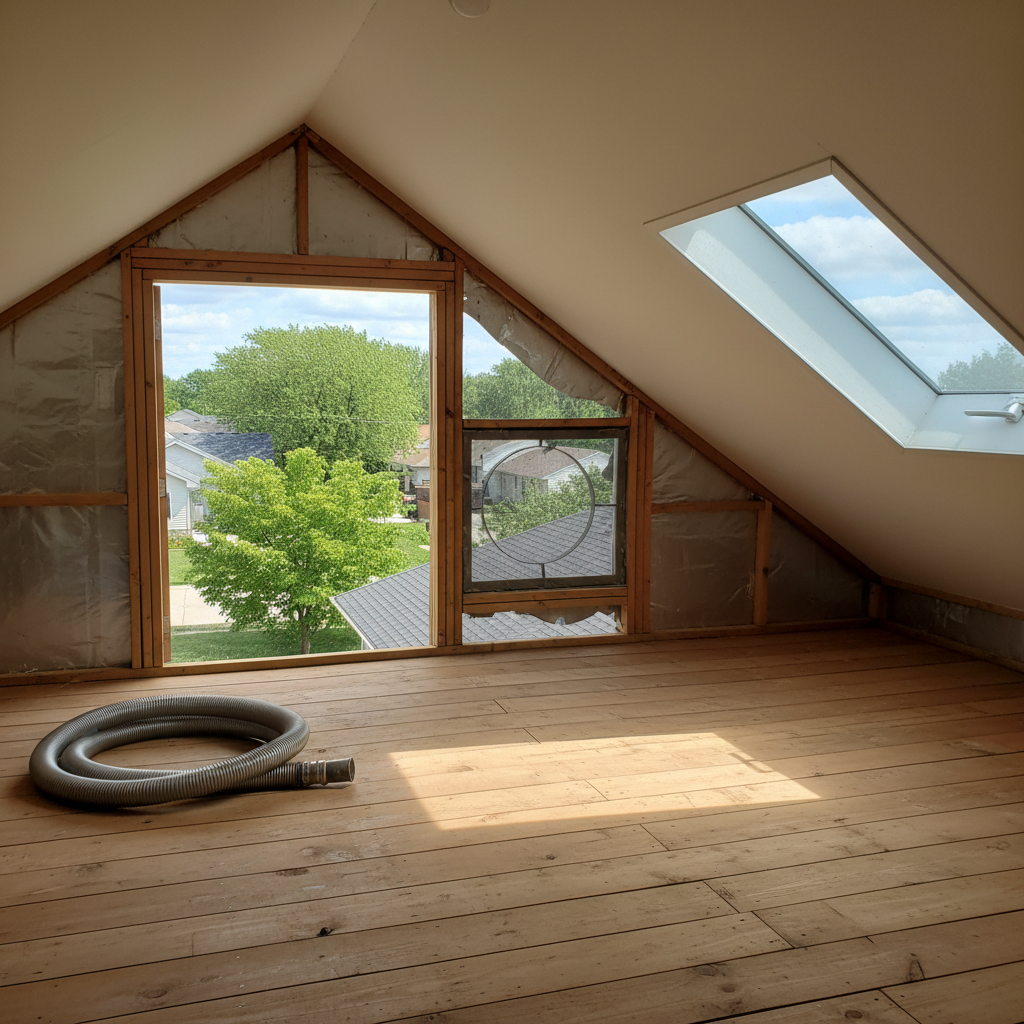
Okay, so you've gone through the whole process: getting that old, damaged, or even contaminated insulation yanked out of your attic, walls, or crawl space. Maybe rodents moved in, or water got in, or maybe it was just ancient, useless stuff. Whatever the reason, that's a huge step toward making your Arlington Heights home healthier and more efficient. But the job isn't really finished just because the new insulation is in. You've got to protect that investment, and that means knowing a little bit about how to maintain it and what to keep an eye out for.
Making Your New Insulation Last Longer
You shelled out good money to get the old stuff out and high-performance insulation put in. You want it to last, right? The biggest thing you can do to extend its life is to tackle the original problems that made the old insulation fail. If a leaky roof was the culprit, make sure that leak is truly fixed. If it was rodents, you absolutely need to seal up those entry points. We're talking about checking that your attic vents are clear, your gutters aren't overflowing, and any plumbing leaks are handled right away.
Just think about our Illinois weather for a second. We get those brutal winters with heavy snow, and then the hot, sticky summers. Good ventilation in your attic is super important. If your attic can't breathe, moisture builds up, and that's just asking for mold, mildew, and insulation that gets squashed flat. We often see this in homes, especially some of those older, charming bungalows around downtown, where attic ventilation wasn't really a priority when they were built. Making sure you have good soffit and ridge vents, or even adding a power vent, can seriously prevent future insulation headaches.
Regular Upkeep: Things You Can Do Yourself
- Quick Annual Check: Once a year, maybe in the fall before winter hits, or in the spring after the snow melts, take a quick look in your attic. You don't need to be an expert, honestly. Just glance around. Does the insulation look even and fluffy? Are there any dark spots that might hint at a leak? Do you spot any animal droppings or nests?
- Feel for Drafts: Go around windows, doors, and electrical outlets, especially on the top floor. If you feel cold air, it could mean air is sneaking past your insulation, or there's a gap that needs sealing.
- Keep Gutters Clean: This one's simple, but so, so important. Clogged gutters can make water back up under your roof shingles, which then leads to water damage in your attic and insulation.
- Watch for Pests: Keep an eye out for any signs of rodents or bugs getting into your house. If you see them inside, chances are they're also exploring your attic or wall cavities.
These aren't huge, complicated jobs. Just a little bit of attention can save you a ton of trouble and money down the road.
Signs That Your Insulation Might Be in Trouble
Your home usually gives you hints when something's not right. You just need to know what to listen for:
- Suddenly High Energy Bills: If your heating or cooling costs suddenly jump, and you haven't changed how you use things or seen utility rates go up, bad insulation is a likely culprit.
- Uneven Temperatures: Are some rooms noticeably colder in winter or hotter in summer than others? That's a classic sign of insulation problems.
- Constant Drafts: Feeling cold spots or drafts even when windows and doors are shut tight? Your insulation might not be doing its job anymore.
- Musty Smells: A lingering musty or damp odor, particularly in your attic, basement, or crawl space, can point to moisture issues and possible mold growing inside your insulation.
- Ceiling Sags or Stains: This is a more serious sign, but water damage in your attic can cause stains on your ceiling or even make it sag. Don't ignore these!
- Pest Activity: Hearing scratching, scurrying, or seeing droppings in your attic or around your home means critters are getting in, and they absolutely love to nest in insulation.
Don't wait for these problems to get worse. The sooner you catch them, the easier and cheaper they are to fix, usually.
When to Call a Professional (Like Allied Insulation)
Listen, I'm a big believer in homeowners doing what they can, but some things just need a pro. You should definitely call us or another qualified contractor if:
- You think there's water damage: Water and insulation are a bad mix. If you see signs of a leak, mold, or widespread dampness, you need someone to check the damage, fix the source, and figure out if the insulation needs replacing.
- There's a huge pest problem: A few mice might be a DIY job, but if you've got a whole colony of squirrels, raccoons, or a serious rodent issue, you'll need professional removal, cleanup, and re-insulation. That old insulation is probably ruined anyway, right?
- You're not sure what's causing a problem: If you have high energy bills or uneven temperatures but can't pinpoint why, we can do an inspection to figure it out. We have the tools and experience to find hidden issues.
- You're dealing with dangerous materials: If you suspect asbestos or other hazardous materials were part of your old insulation (especially in older homes), do NOT try to remove it yourself. Call a specialized professional immediately.
- You're thinking about big upgrades: Considering adding more insulation or improving ventilation? Get a professional assessment to make sure you're doing it correctly and getting the most for your money.
Keeping your home's insulation in good shape isn't just about comfort; it's about protecting your home's structure and your family's health. A little vigilance goes a long way. If you've got questions or need a hand, Allied Insulation is always here to help our Arlington Heights neighbors.